How many times have I taught my students and covered the stages of Piaget, particularly those which most affect the field of early childhood education, the sensorimotor and pre-operational stage? And yet suddenly we were having the discussion about the shift from sensorimotor to pre-operational in one of my classes and it struck me that in many of our educational practices currently and the incredible high stakes testing push we are skipping this incredibly important stage and the repercussions I feel will be severe. We quickly remove active learning for passive, abstract thinking when we know children cognitively cannot process half of what we ask of them, all in the name of what? Worksheets according to Piaget would prove obsolete to the learning process and yet teachers continue to cling to them as proof that children are "learning". Learning what, to follow directions and robotically complete them as fast as they can in order to escape this mundane work? On the whole we continue to appropriately support children birth to three and yet the removal of developmentally appropriate practices continues to be pushed to younger ages. One student shared with me that she observed word of the week in a toddler classroom (what are we doing to our young childen?) We are robbing our children of childhood which in mind truly is a criminal act that will prove detrimental not only to the children, but society as a whole. It is time to return childhood back to our youngest, to support them developmentally and stop cramming obsolete, unnecessary experiences into our early childhood classrooms. We need to engage them with the things of the world, not disengage them from who they are and how they learn.
Saturday, November 3, 2012


Tuesday, October 30, 2012
http://www.earlychildhoodwebinars.org/presenters/dr-sylvia-c-chard/
Dr. Sylvia Chard has been a wonderful mentor for me and so I invite anyone interested in pursuing projects in more depth to explore this wonderful opportunity and resource. Sylvia is open and willing to take you to another level of work in project work, but more importantly in how you see children, the world and teaching and learning.
Dr. Sylvia Chard has been a wonderful mentor for me and so I invite anyone interested in pursuing projects in more depth to explore this wonderful opportunity and resource. Sylvia is open and willing to take you to another level of work in project work, but more importantly in how you see children, the world and teaching and learning.
The power of Nature

Thursday, May 24, 2012


Thursday, March 22, 2012
The power of Projects

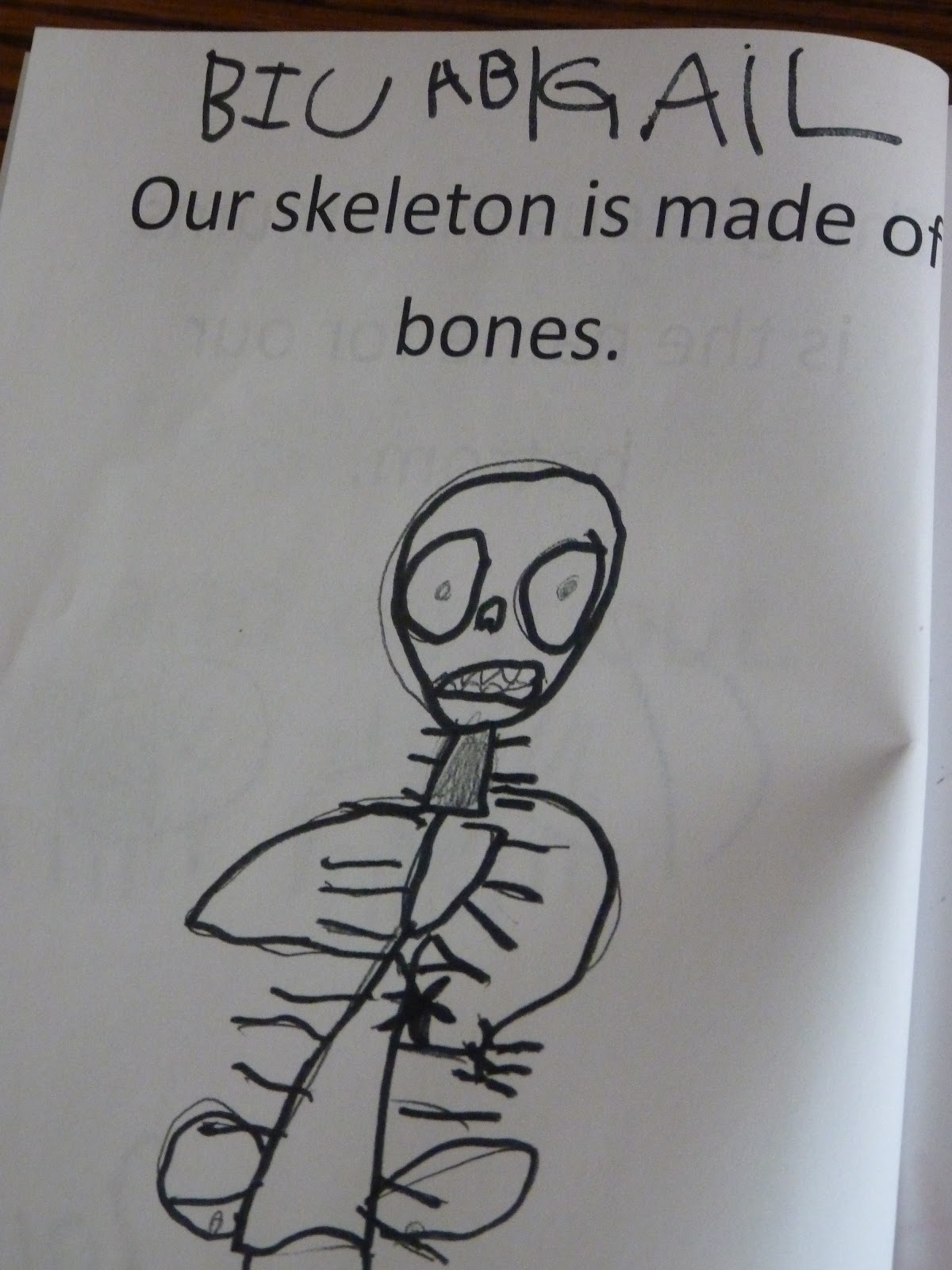
Our body, something all children have experience with and which can generate many questions. The above web is where this group of children began, but through the facilitation of a wonderful teacher, look at the vocabulary and knowledge they gained.



Tuesday, March 20, 2012
disruptive wonder, kelli anderson
http://www.youtube.com/watch?v=dvI5JuB6ThE
How do we create disruptive wonder in our current educational system, how do we discover the hidden talents in every day things? I think this is a wonderful question to pose in our current educational environment. Teachers who engage in project work help children discover the hidden talents in every day things, bu also help us discover the hidden talents in children and in ourselves. I believe that through curricular approaches like the Project Approach, we push the boundaries of what is expected in education and we reject the normal order of traditional education. The Project Approach calls for use to expect more than our current reality, a reality most teachers claim doesn't benefit the students or themselves as educators. So, why do we continue to accept the normal order of things in education? I would appreciate any comments or feedback because I struggle with this when working with teachers. While they don't like the norm, they find it so difficult to make the paradigm shift towards discovery. Thoughts?
How do we create disruptive wonder in our current educational system, how do we discover the hidden talents in every day things? I think this is a wonderful question to pose in our current educational environment. Teachers who engage in project work help children discover the hidden talents in every day things, bu also help us discover the hidden talents in children and in ourselves. I believe that through curricular approaches like the Project Approach, we push the boundaries of what is expected in education and we reject the normal order of traditional education. The Project Approach calls for use to expect more than our current reality, a reality most teachers claim doesn't benefit the students or themselves as educators. So, why do we continue to accept the normal order of things in education? I would appreciate any comments or feedback because I struggle with this when working with teachers. While they don't like the norm, they find it so difficult to make the paradigm shift towards discovery. Thoughts?
Wednesday, March 7, 2012
The 4C's
Communication, collaboration, critical thinking and creativity: The 4C's. With our fast paced world it is almost impossible to be able to dictate what exact knowledge and skills our children will need in the future. Curricular approaches like the Project Approach and Emergent Curriculum naturally support the above "standards" or what Sylvia Chard and Lillian Katz (along with others) describe as dispositions. The 4C's are no longer just a checklist of knowledge and skills, but dispositions (how we approach teaching, learning and problems).
To generate some thinking about the 4C's I am posting this wonderful story/video created by one of my favorite children's authors, Peter Reynolds called Above and Beyond. How do you consider the 4C's and how do you respond to this challenge of the 21st centruy. How do you think schools are or should be supporting the 4C's?
http://www.youtube.com/watch?v=7KMM387HNQk&feature=player_embedded
To generate some thinking about the 4C's I am posting this wonderful story/video created by one of my favorite children's authors, Peter Reynolds called Above and Beyond. How do you consider the 4C's and how do you respond to this challenge of the 21st centruy. How do you think schools are or should be supporting the 4C's?
http://www.youtube.com/watch?v=7KMM387HNQk&feature=player_embedded
Subscribe to:
Posts (Atom)